
Urban Wineries
Since the vast majority of wine drinkers – I expect: I have not done extensive research on this – live in urban areas, let’s talk about urban wineries…
This article in The World of Fine Wine raises some interesting points.
Wine is, by definition, an agricultural product, which pretty much makes it a rural one by default, these examples notwithstanding. In Alba, we have vines planted within the town boundaries, and not only those at the Alba wine school or on one of the roundabouts leading out of town. But they represent a miniscule fraction of the land under vine here. Whilst vineyards in towns or cities show it is possible for wine to be an urban product, we will need a sea-change in how we plan, build and run our towns and cities for this and other agriculture to become urbanised.
Yet over the past century or so, while we have not altered the proportion of agriculture that is urbanised, the proportion of the world’s population that is urbanised has changed radically. In 1900, around 15% of the world’s population lived in towns or cities. Before long, that is likely to the proportion of the population living in rural areas. The European Investment Bank has this report showing how Europe has changed even since 1970.
This change will naturally have a big impact on agricultural areas and has been especially marked in wine-producing parts of the world – Europe, North America and South America already have populations of whom around 75 to 80% live in urban environments. Globally, the average is around 55%, and this is tipped to increase to 68% by 2050, unless you believe this assessment, in which case, were already at over 75% urban globally. Both these estimates, significantly different thought they are in their assessments of current urbanisation, agree that there will be a further increase in the future. The upshot of this is that not only are ever more people living in urban environments, but that more – both numerically and proportionally – will only ever live in urban environments. In this context the idea of urban wineries makes a lot of sense.
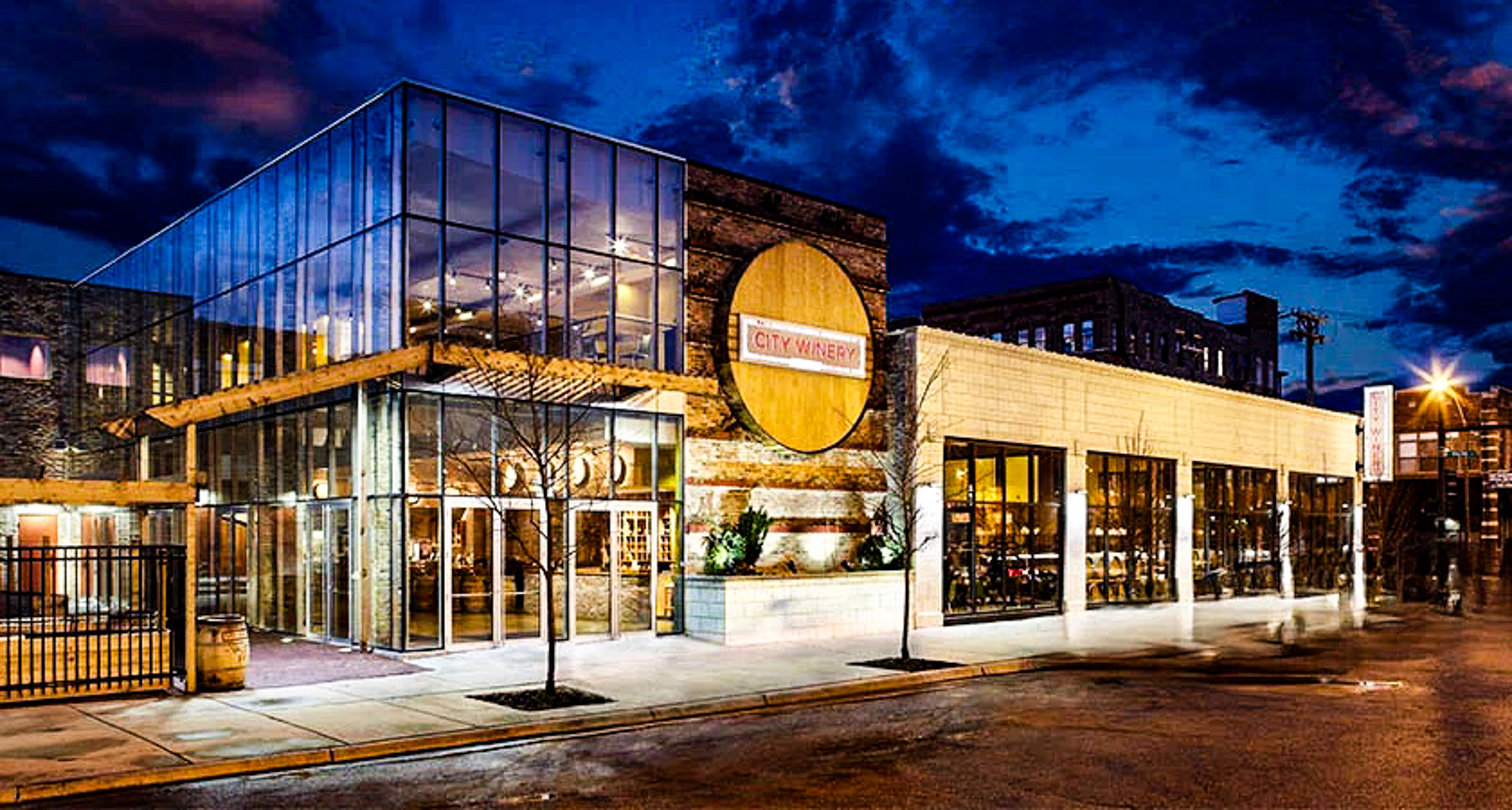
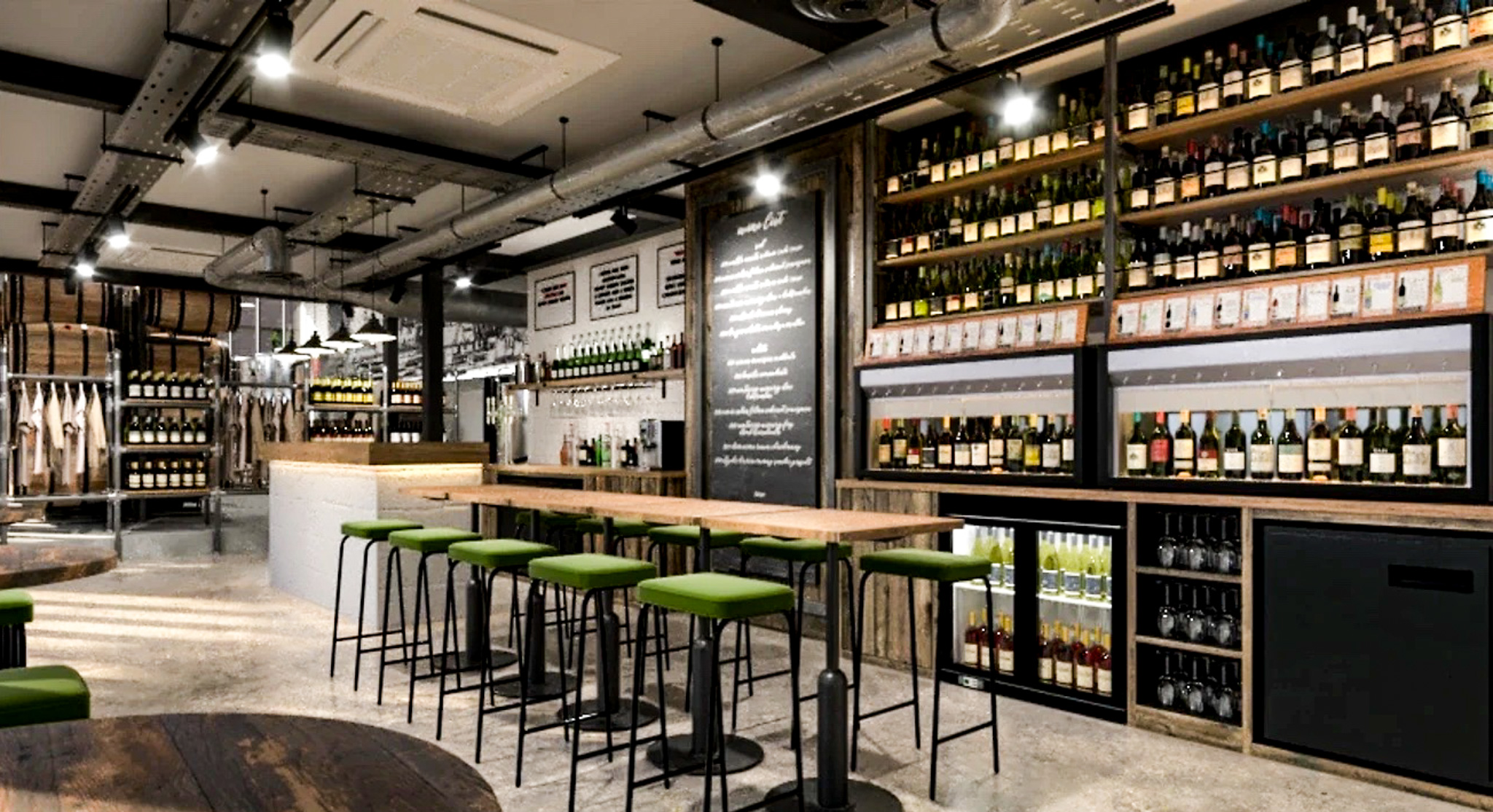
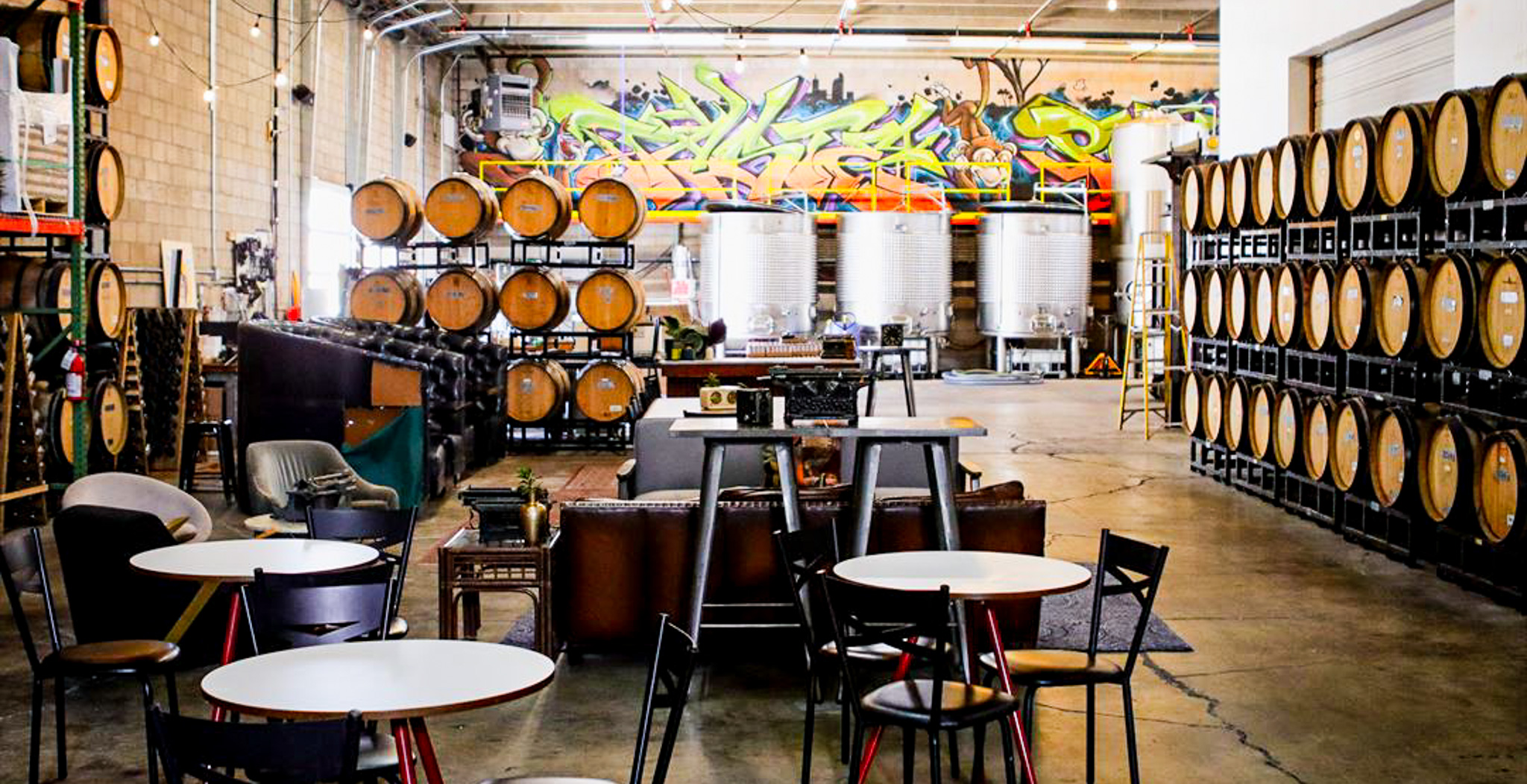
As the article by Clemmie Trott says, though it seems like a trendy new development, urban wineries have been around for some time. Most recent publicity around urban wineries has focused on the likes of City Winery (the one in the header is in Chicago) or Vagabond in London, shown here:
In concept, the urban winery is not really any different to the urban brewery.
Virtually every town on a waterway in Britain (to say nothing of places such as Germany, Belgium, Holland) once had their own brewery. Around 20 years ago, I lived in Shipston-on-Stour and there was a new housing development in Old Brewery Close. The old brewery had long since gone, but it had once been there, a stone’s throw from the river. Burton-on-Trent became famous for its beers – brewed in the town, and revered because of the river water used. So the concept is not as radical, nor as new as we might imagine.
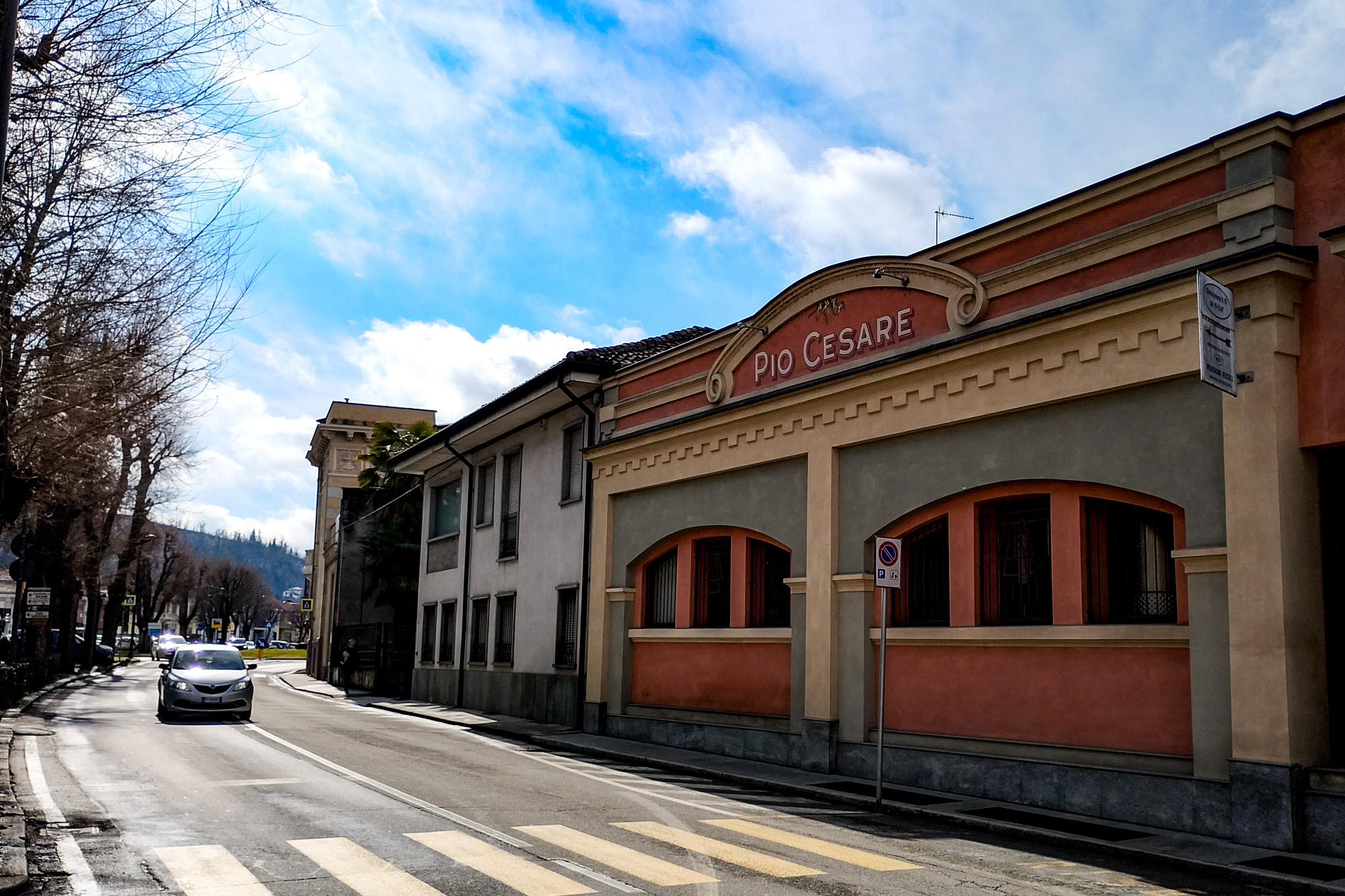
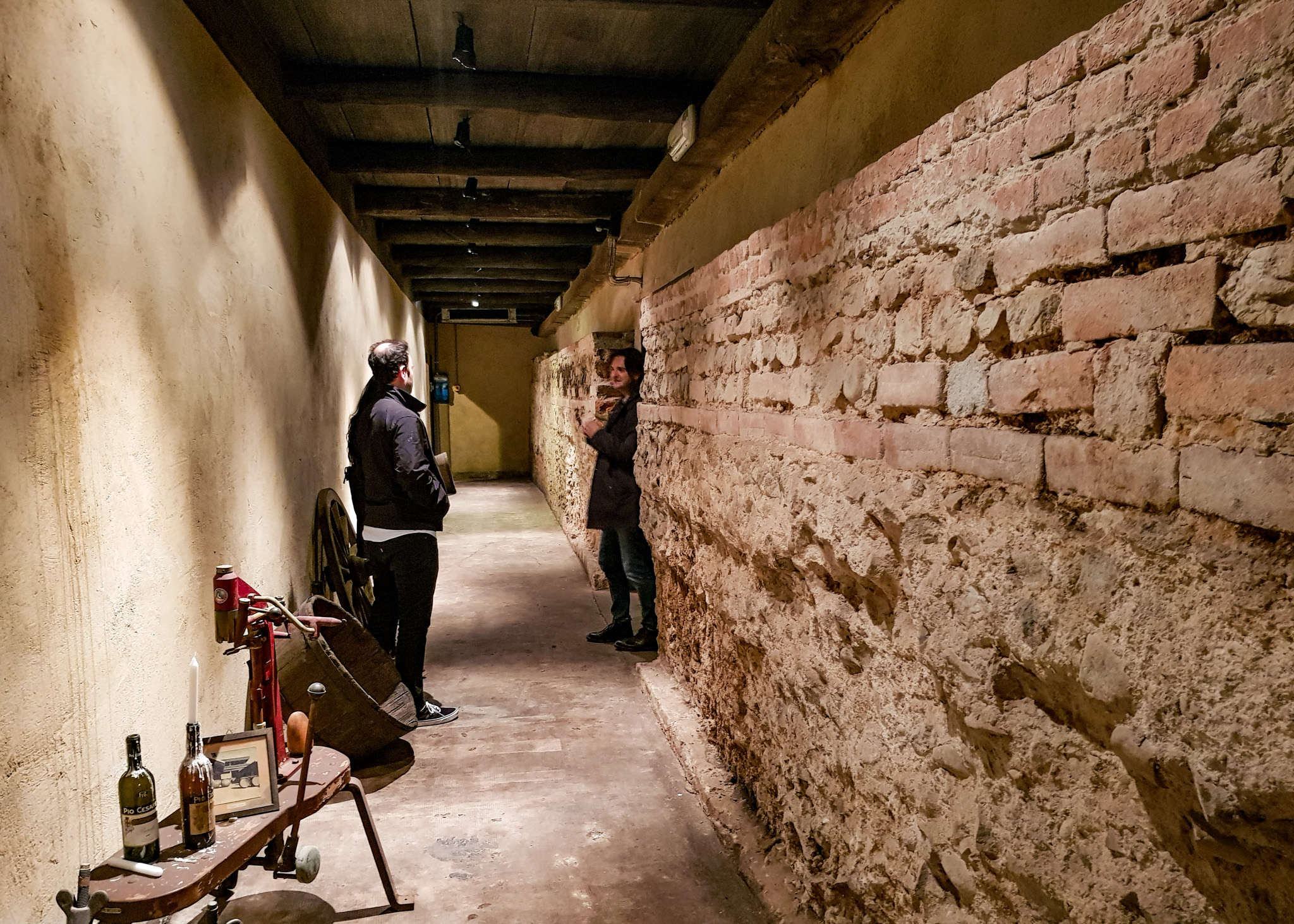
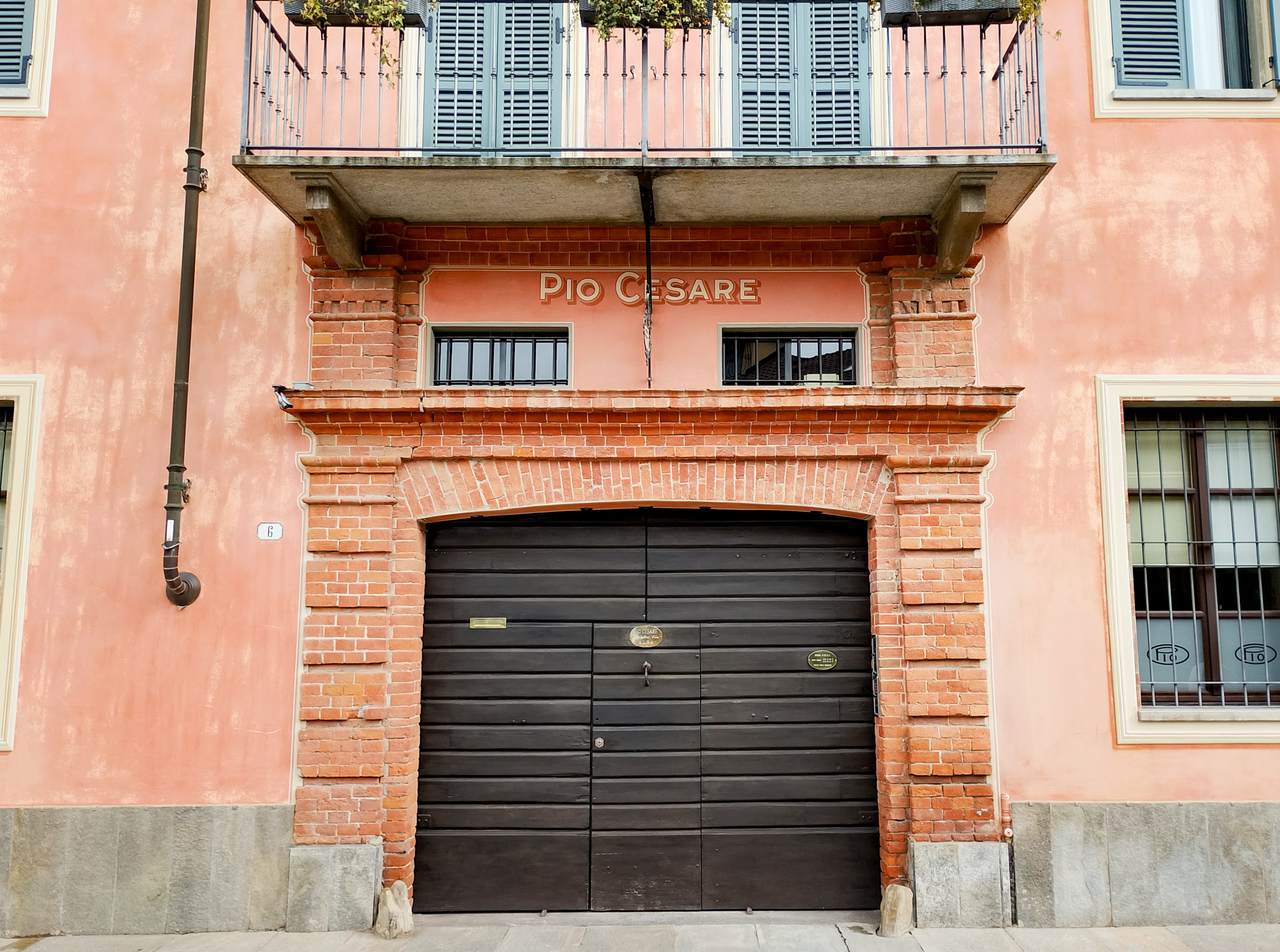
As we become ever more urbanised, however, fewer and fewer of us are living and working in regions where grapes are grown. Yet we retain that image of the rural idyll that Clemmie talks about. Given the ongoing demographic changes in the world, there is the real possibility of a wine region that is not close to an urban centre disappearing unless we change the model of wine production. Napa, for example, is a couple of hours from San Francisco, likewise the Yarra Valley from Melbourne, Hunter Valley from Sydney. If enough residents of Healesville or Napa decide to relocate to Melbourne or San Francisco, then there may well not be a sustainable population in the vine growing areas. Where I am, the Langhe and Roero regions are on Alba’s doorstep, so even if the villages became deserted, the commute for all the workers from an expanded Alba would not be too bad: 20 minutes sees you in the heart of Barbaresco, Diano, Roero or Barolo. But most people in San Francisco, Sydney or Melbourne probably won’t commute 4-to-5 hours a day to work in a winery, especially since a lot of the jobs, such as administration, tastings, and even the actual wine-making itself, are not dependent upon the office, tasting room or tanks being in one specific location over another. Consequently, it makes sense to bring the grapes closer to ‘home’ to do the processing and all the other tasks associated with running a winery. Hence the likes of Pio Cesare and Calissano (long since defunct) basing operations in Alba. Francesco Rinaldi, just off the main square of Michele Ferrero, also bottled and stored their wines in the town.
Regions such as Barolo, Burgundy, Napa Valley already enjoy a high reputation, making their disappearance much less likely, even were producers there required to transport their grapes significant distances to make the wines. But there are many more wine regions, not close to large urban centres and without international renown, that could well disappear, or close to it, with further population shifts to urban centres. I have a good friend who makes wine in an unsung Italian region, well off the beaten vinous track, and she once told a local journalist that in her opinion, the area had everyting you could want: great fruit and veg, local cheeses and meats, beautiful countryside, fresh air, space: it’s a lovely place to live. She couldn’t understand why people were moving away from this bucolic paradise.
But her passion and drive to make wine meant that she actively wanted to move to an old house in the middle of nowhere. She tends old vines manually, cutting grass by hand and pressing grapes with her feet. This is hard physical work in an area where you need a car to do anything, a pint of milk is 20 minutes away and much of the local housing stock has no central heating, probably lead water pipes, and electrics that mean you might need to turn the lights off to run a washing machine or turn the oven on. Add in patchy phone and internet coverage, and it is not difficult to understand why her choice is not one most other people make, especially if you do not want to work in agriculture. There are reasons people like living in towns or cities: they’re very convenient and have a lot going on.
It could be in the future that for many people around the world, an urban winery is the only place they could see wine being made, or become winemakers if they wanted to pursue that career. I would imagine it likely that many future urban wineries, whether start-ups or established producers transitioning production to be nearer to markets and workforces, might well operate on a custom-crush basis, or be some form of co-operative set up, or both. Finding or building a suitable structure for winemaking in a town or city is likely to be far more expensive than finding one out in the countryside somewhere (with the possible exception of a select few regions such as Burgundy, where a spot in Dijon may be more economical than trying to buy a suitable property in Vosne-Romanée). So people are likely to go in together and defray the costs by splitting the facilities among several producers.
Were there to be a large-scale change towards urban production of wine, then this would also have implications for grape growing. If urban populations are far enough from vineyard regions that workers will not commute, then regions that require a lot of manual labour are much more at risk of disappearing. Producers will want, or be forced to accept, flat vineyards that one person can work, rather than those steep slopes that prohibit mechanisation (at least so far) and need several people to tend.
There are also other questions raised: flash-freezing grapes for long transportation will have an effect on both quality and the environment: energy and resources will be needed to freeze and transport the grapes. What might be saved in labour and energy in the vineyard may well be more than taken up through the rest of the process.
The other change, less likely I think, is to move the vineyards much closer to, or into, towns and cities. In Europe, though, it is axiomatic that the best wines are made from grapes grown on slopes where the vines have to fight and work for water and nutrients. Land, in other words, that does not lend itself to property development. We also have a very codified system of vineyard designation in Europe, based on geographical location: moving wine regions’ vineyards from where they are into the nearest towns and cities for demographic reasons seems unlikely at best…
This isn’t to say that urban wineries in themselves would become some sort of threat to these regions – they would simply be a response to demographic changes in terms of where the wine industry finds both workers and consumers of its products. It would be the demographic changes themselves that threatened the regions.
For the time being, this is a long way off. And of course, for renowned wine regions, higher prices for their products offers some sort of cushion meaning that producers can pay workers a little more to ensure that the local village is populated and that their prized vineyards continue to be tended. But if wine lovers care about who makes their wines and where they come from, we should care about the rural idylls having enough prospects for the locals to stay there and keep on growing the grapes – even if the wines are made hundreds of miles away from where they are grown.
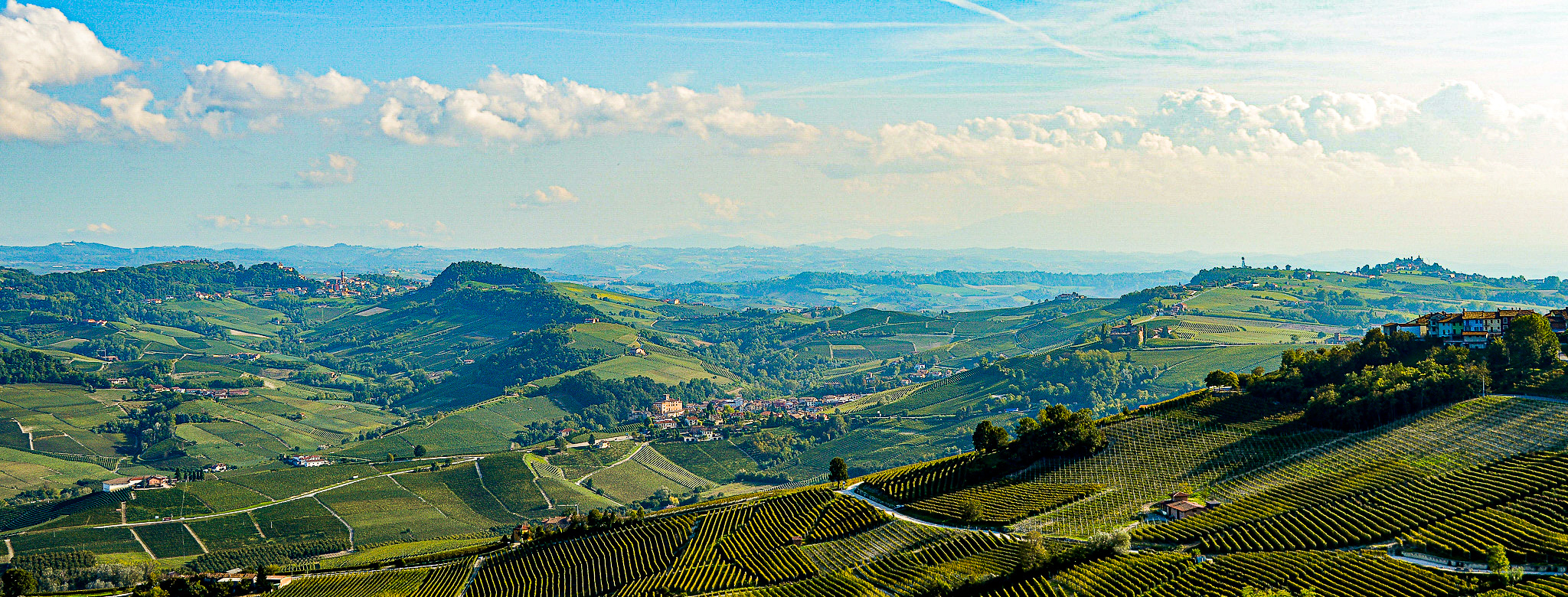
And for all you city-dwellers out there who love the idea of going to the local winery on your block: the rural idylls where the grapes came from are also worth a visit from time-to-time. You might have shops, bars, clubs, schools, sports, music, cinema, galleries and museums on your doorstep in your town, but you don’t get this…:
Other Blog Posts
Italy’s Burgundy…?
THE BURGUNDY OF ITALY…?Just about every wine writer who has ever written about Barolo has invoked the comparison: “Piemonte is the Burgundy of Italy” I have heard this idea more times than I care to remember. It is so commonplace that it is accepted as fact: one of...

The First Thing The Customer Sees
The First Thing The Customer SeesDo Labels Matter? Among the myriad decisions to make, factors to consider and work that needs to be done when making wine, one that sometimes (often?) gets overlooked - certainly by producers - is the label design. Overlooked may be...

FFS
F F S Franciacorta's Fabulous Sparklers (well what did you think I meant...?) Now that the weather has warmed up (consideraby) in my neck of the woods, it is nice to partake of some sparkling white wines… So, notwithstanding the fact that we make some pretty good fizz...